

Performance Anxiety
As a kid I thought I hated dancing, but it was something else.

In preschool ballet class we leapt across a mirrored room twirling colorful scarves and wearing pink tutus and unitards, sashaying with precious plastic baby dolls in our arms like they were our children. Our teacher, Miss Maureen, dressed in the traditional ballet garb, a black unitard and pink tights, her grey-blonde hair tied in a wispy top bun. She had the palatable voice of an Englishwoman, posh like Julie Andrews. I don’t remember much about class, not the music we danced to or the other little girls. What I do remember most is that when class ended, we’d assemble in a single file line on the way out the door, awaiting our parting gift: one DumDum lollipop. Miss Maureen gripped the lollipops like a bouquet of roses, and one by one, we picked our favorite flavor (I think mine was sour apple), and off we went.
Unfortunately, the lollipops only satisfied me for a short time. Not long after I started refusing to participate in class, crossing my arms and turning to face the mirrored wall like a naughty child sent to the corner in a Dunce cap. But unlike a naughty child, this was my choice and mine alone. Eventually my mom pulled me out of ballet, and that was that.
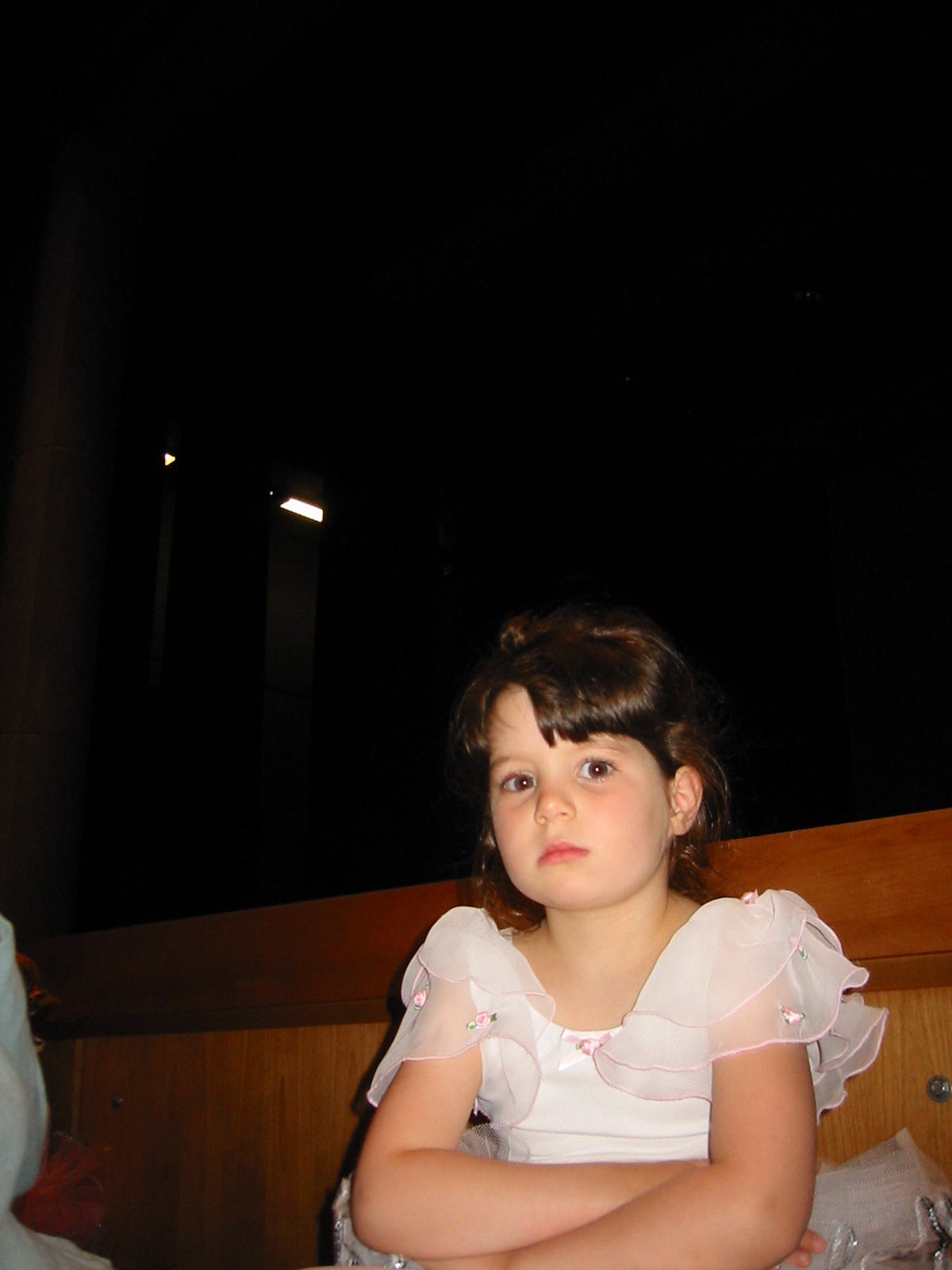
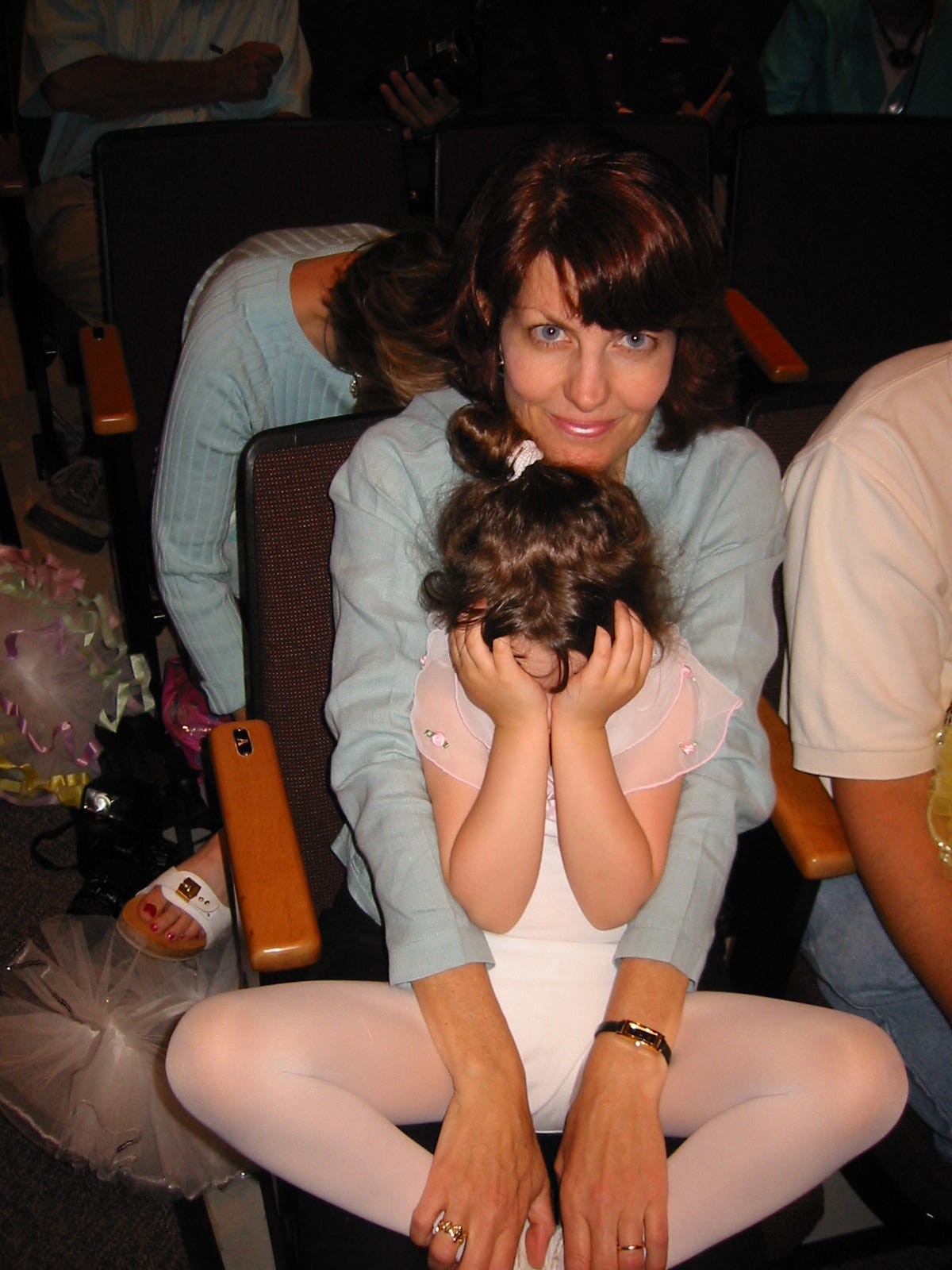
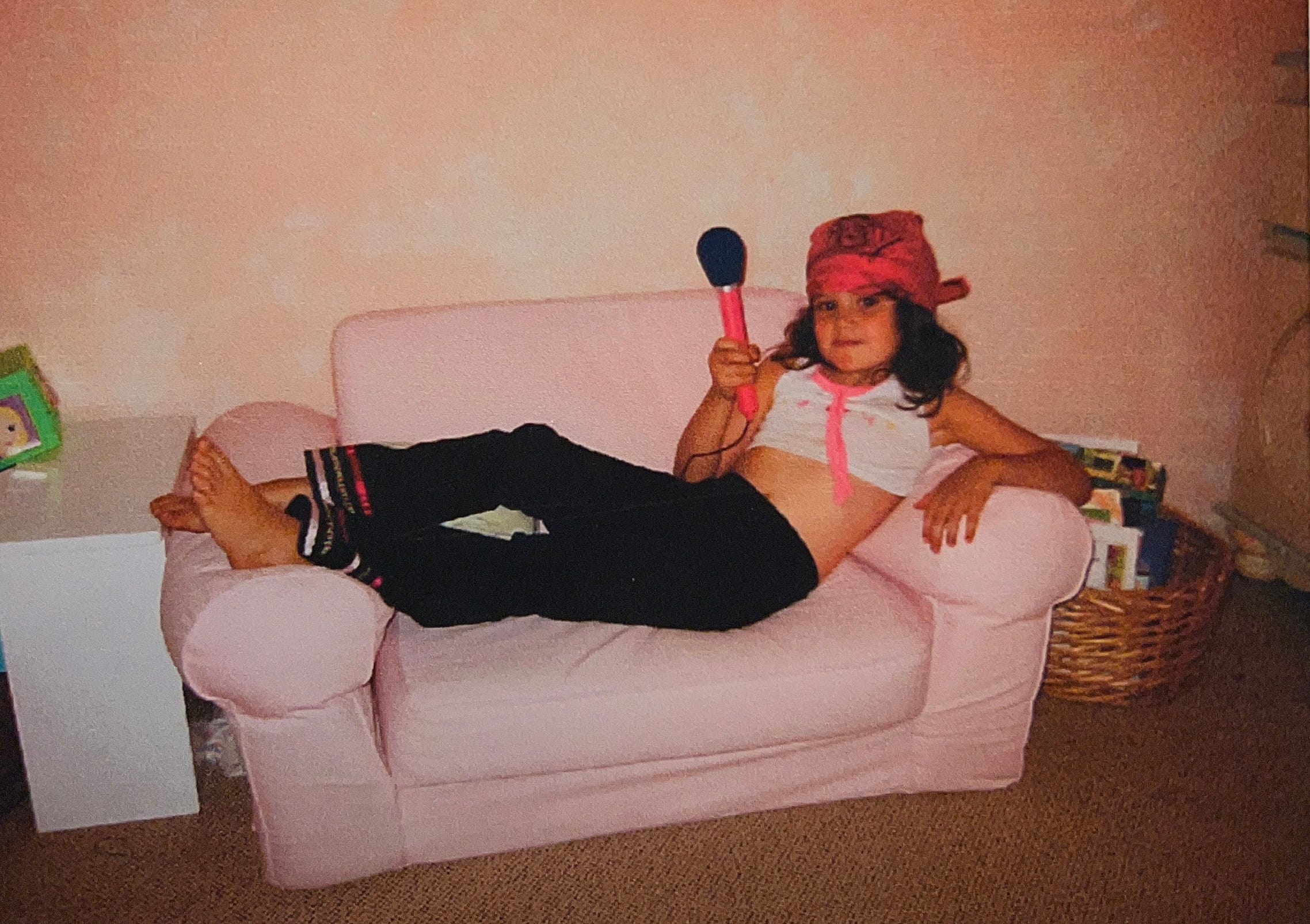
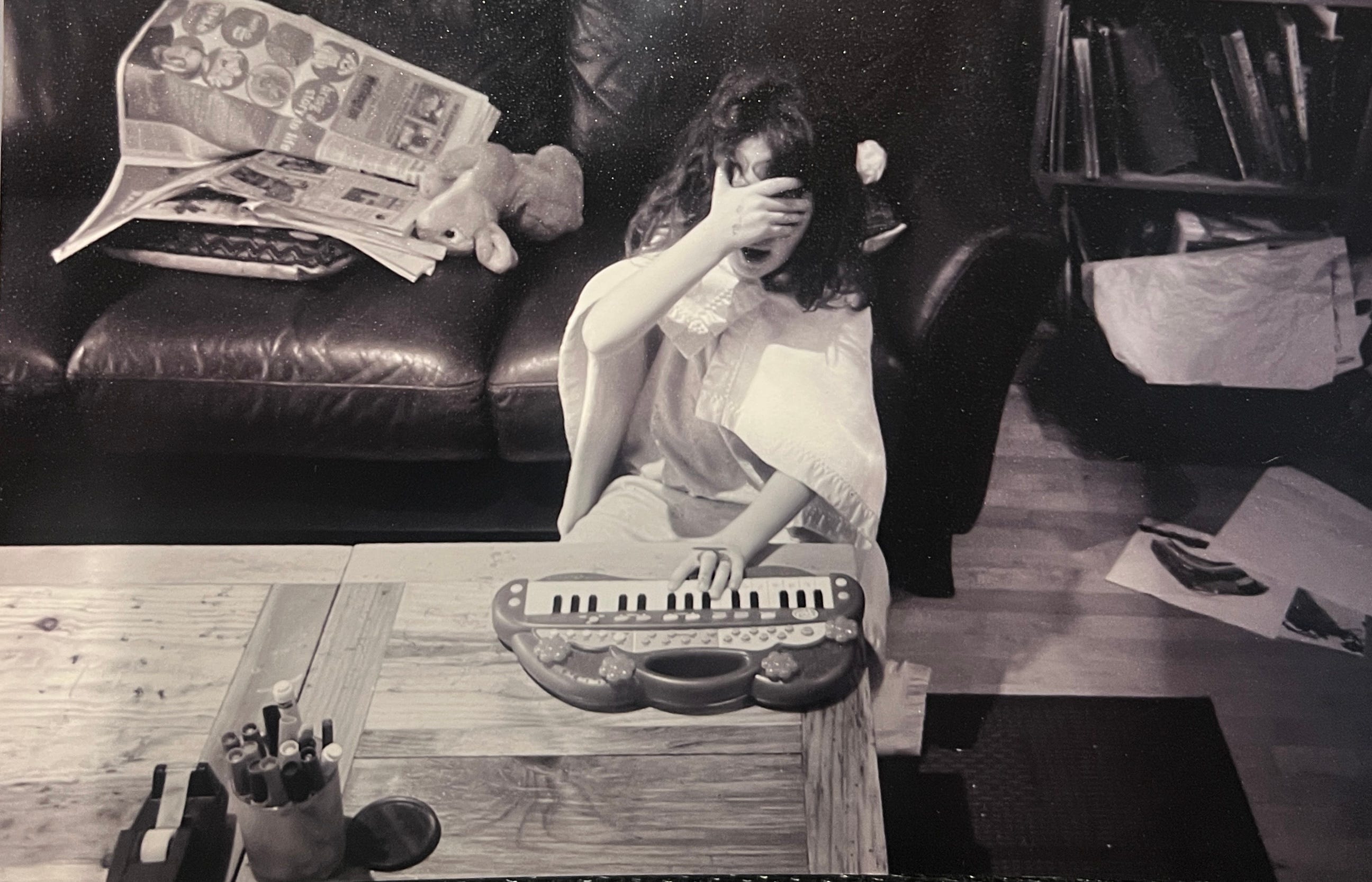
For most of my childhood after, I refused to dance. Perhaps unusual for an otherwise creative, expressive child– I regularly played dress up, pranced around the house wearing capes made out of blankets, sang made-up songs to myself as I fell asleep at bedtime, and practiced music composition on a pink toy piano, retrofitted with automatic beats, long before I’d turn to Garageband in middle school.
Most memorably, I was obsessed with “Linda’s 40th Birthday Mix,” a shiny gold CD my mom had been gifted by her sister, my Aunt Candice. I don’t know how it came into my possession, but I loved it, most memorably a song called “Hey Baby.” Sitting in front of the family stereo, I’d queue the CD and perform an impromptu dance routine wearing embroidered dance pants and a crop top. Back then, it was just a disembodied pop voice that commanded me to leap across the living room, and so I did. Years later, I’d learn this song was from the Gwen Stefani-backed group No Doubt, the very kind of track I wouldn’t be surprised to hear today, coaxing me under the disco ball of a fog-filled room.
No matter what they say I’m still the same
Somehow everybody knows my name
And all the girls wanna get with the boys
And the boys really like it
If I was so naturally drawn to performance, then why did I so swiftly and publicly reject it? Had I just grown out of it, gotten bored? Or had I experienced self-awareness for the first time, realizing that my mom wasn’t the only one watching me from the other side of the false mirror, but so were all the other parents. Pressure, the toddler me had realized, to be perceived and perceived well. Clearly, I wasn’t so interested in dance lessons. Maybe I wanted to figure it out on my own; to fiddle around, get bored, move onto the next creative outlet. I was too young to make an authoritative decision, or proudly announce my declaration, so in ballet I resorted to facing the wall instead.
It became evident this terror would soon follow me everywhere. By elementary school, I’d hide away in the back row during class assemblies, waiting for a trapdoor to open up below my feet so I could be whisked away instead of doing high-leg kicks to All I Want For Christmas Is You. Dressed in Blues Brothers outfits (black fedoras, black sunglasses), I mimed the recorder melody to Sweet Home Chicago because I’d never actually learned to play it. In the summers spent at day camp, I’d participate in a month’s worth of dance practice just to forgo the campwide talent show on the very last day of July. I’d heave a breath of sweet relief when my mom finally agreed to let me stay home and relax in the A/C, more than content with the fact that I’d abandoned my troupe who were dancing to Umbrella by Rihanna on the basketball court without me.
Family celebrations, too, were a plague of their own. A hundred Shirley Temples couldn’t bide the time I spent glued to the kids table during weddings and Bar Mitzvahs, agonizingly waiting to go home while everyone else rushed the dance floor once Get This Party Started blew out the speaker system. I’d follow my older brother Gordon around the decorated ballroom at all costs, he was who I latched onto when I myself did not know where to go, which was always— too young to hang with the tweens, too old to drool with the toddlers, too pompous and prideful to even let a distant older cousin take me under her wing at the request (begging) of an adult.

Wherever my brother and I went, I knew where we weren’t: the dance floor. Despite my insistence to hang around him, he always begged me to go away. I wouldn’t. It made me wonder, if my parents and extended family were all so into dancing, then could my disdain of performance have been at all informed by him? In these moments I felt I had no other choice–it was this or twiddling my thumbs alone at an empty table, or worse, tugging at my parent’s arms, asking when we could leave, two options far more embarrassing for a child who doesn’t know how to have fun at a party. Hoping for neither, I’d follow Gordon until he upset me enough so that, inevitably, all outcomes led to the same result, which was defeat.
I wonder how my childhood would have played out if my brother had been the kid doing the worm on the dance floor. Would I have followed his lead and loved dancing in public, just as strongly as I love it now? What would have happened if he had scolded me for following him to the dance floor at all those family weddings, then would I still hate dancing today? Would it make me uncomfortable? Would I not be here, in the position to write this?
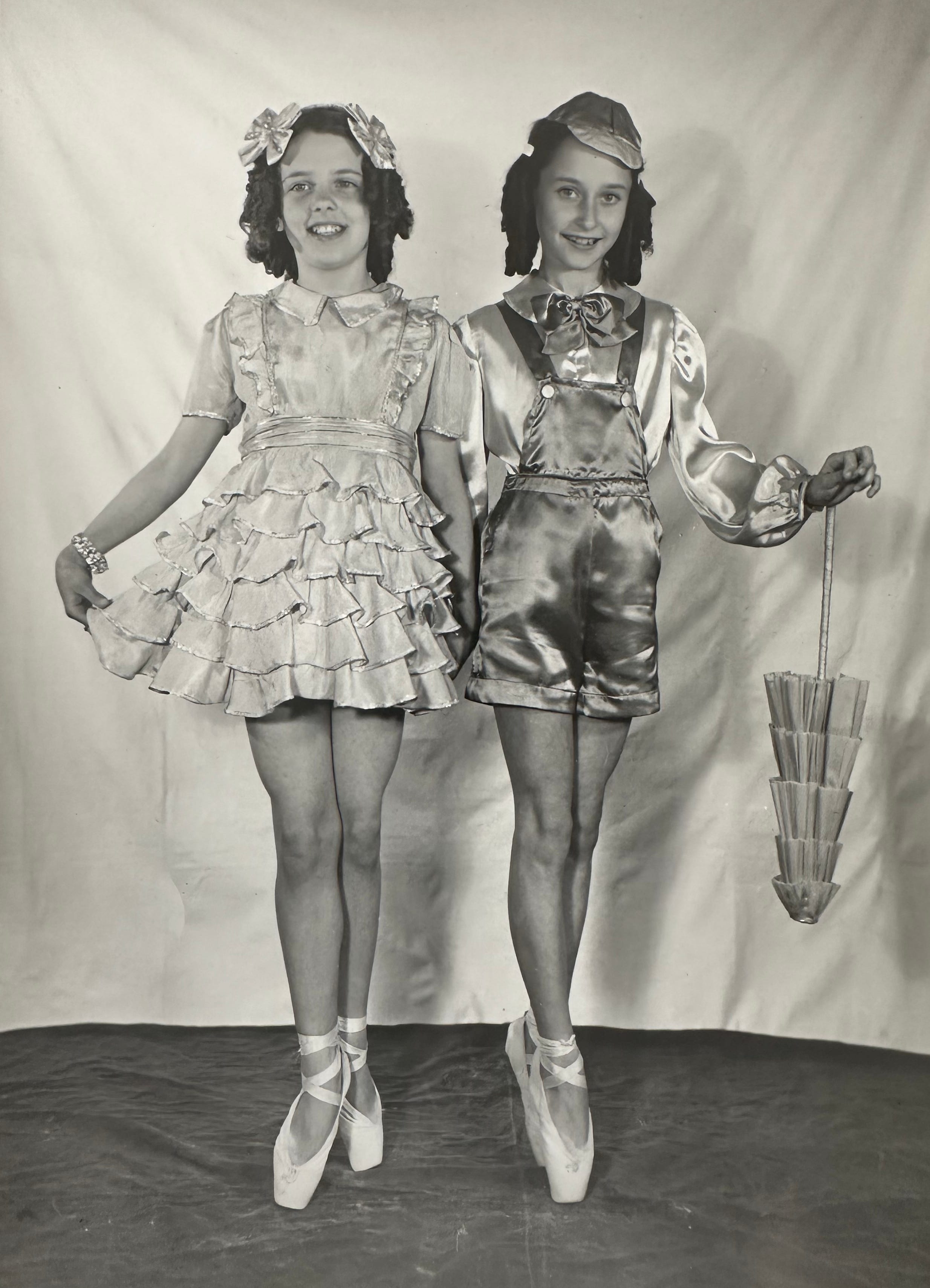
At home, I hoped I wouldn’t be subjected to performance, but I was wrong. Though creative, I never considered my family particularly theatrical or musical—sure, my grandmother had been a ballerina for a time and loved going to line-dancing classes, but that was just old people stuff. My parents were my parents, they weren’t big music collectors; they listened to normal, parent-like music, Marvin Gaye and The Bee Gees and Buena Vista Social Club. They weren’t big partiers or concert-goers (although when I was twelve I’d tagged along to the family-friendly music fest Ravinia, in suburban Chicago, to see the B-52’s for the first time, so maybe that did end up being formative for me).1 I may not have considered them ‘the musical type’ growing up, but I realized they never had to be. Born into the disco and soul generation, music and movement was always as inherent to them as it’s become inherent to me now.
Performance at home revealed itself not through grand occasions, stages, or dance floors, but by something else, something familial, something of a tradition. This so-called tradition was for anywhere, anytime; Thanksgiving, a Passover seder, Mother’s Day, or a random weeknight after school. My mom would be preparing a meal in the kitchen, sautéeing garlic and onions in a pan on the stovetop, until she’d run to turn up the volume on the radio to whatever song had caught her attention. She’d grab whoever was standing nearest to tango or salsa with, usually my dad, sometimes my grandma, two partners in crime on the tiled dance floor. The act was so common it had a name–kitchen dancing.
That’s the way, uh huh uh huh, I like it, uh huh uh huh,
That’s the way, uh huh uh huh, I like it, uh huh uh huh
The more the merrier, the bigger the party, the bigger the kitchen dance. At the sight of it, my brother would roll his eyes and scoff, and I’d do the same.
“STOPPPPP.” Gordon would demand, and like a parrot, so did I.
Our mother’s complete surrender, her sheer lack of embarrassment, seemingly horrified us, chilled us to the bone, of which we felt an almost physical disgust, like nails on a chalkboard. Are all children embarrassed by their parents? Or was this unique to us? Maybe we were uniquely brats. Or maybe I was following my older brother’s lead, forgetting my roots (the living room dance floor, mere feet away). Whatever my theories, I’d bargained aplenty with the boy who did the stanky leg at sleepaway camp, the LCD Soundsystem-fan, River-North-club aficionado, summers at the town bar with the live band in Michigan. Despite our differences, and our once mutual contempt for dance, Gordon, like me, has long left this sentiment behind.
Seeing as I have a fresh appreciation for my mom’s dance improvisation today, and have probably inherited it from her, I can only guess the reasons for our unenthusiasm. The discomfort with expressing ourselves creatively, bodily; the jealousy towards our parent being able to do so freely; the disbelief that Mom and Dad lived a life outside of us, a life full of dance, of which we could not understand. I like to think the kitchen dance was bigger than our parents, but at the time, it was between Mom, the radio deejay, and the minute the timer went off, signaling dinner was ready. We knew nothing of the meal that would come after.
I remember dancing, willingly, for the first time in a while, when I was thirteen or fourteen. I was at my cousin Lindsay’s wedding in Florida. My mom, Aunt Candice, and I stayed in a condo on the beach, while my dad and brother had stayed back in Chicago for something or other. For the wedding, I did my eyeliner and put my hair in a fishtail braid. I wore a sleeveless pale yellow dress with a Peter-Pan collar from Zara; then a comparable purchase to a tween today begging their parent to buy them something from Aritzia. This was the year 2012. This was maybe what you’d call twee. I was not twee. Neither was the wedding. This side of the family, once raucous Chicago Southsiders, were now lifelong rural Pensacolans. They loved Jesus, the beach, church; they loved KFC, hunting, and baked potatoes (part of the wedding dinner included a Make-Your-Own-Baked-Potato buffet). Most of all they—we—loved dancing.
Wobble baby, wobble baby, wobble baby, wobble, blared the music from the speakers. It was mid-aughts Top 40, the Cupid Shuffle, the Cha-Cha Slide, all the classic party hits. My Pawpaw, all legs, 6’4, tuxedo’d with a silver tooth, twirled his daughter, my Aunt Sheree, platinum blonde, pink lipstick. The newlyweds shimmied and shuffled, Lindsay’s spouse, now my cousin-in-law, who was aptly nicknamed Big Nasty. For our exuberantly large family, I was still one of one (of thirteen-year-olds, that is), and felt compelled to stick to who I knew, which in this case was not my brother, who was absent, but my older cousin Nicole. About to finish her last year of high school, she ran off to order us vodka lemonades from the open bar. Eventually we were coaxed by our moms (hers; Kelly, mine; Linda) to join in on the dance floor, and so we did.
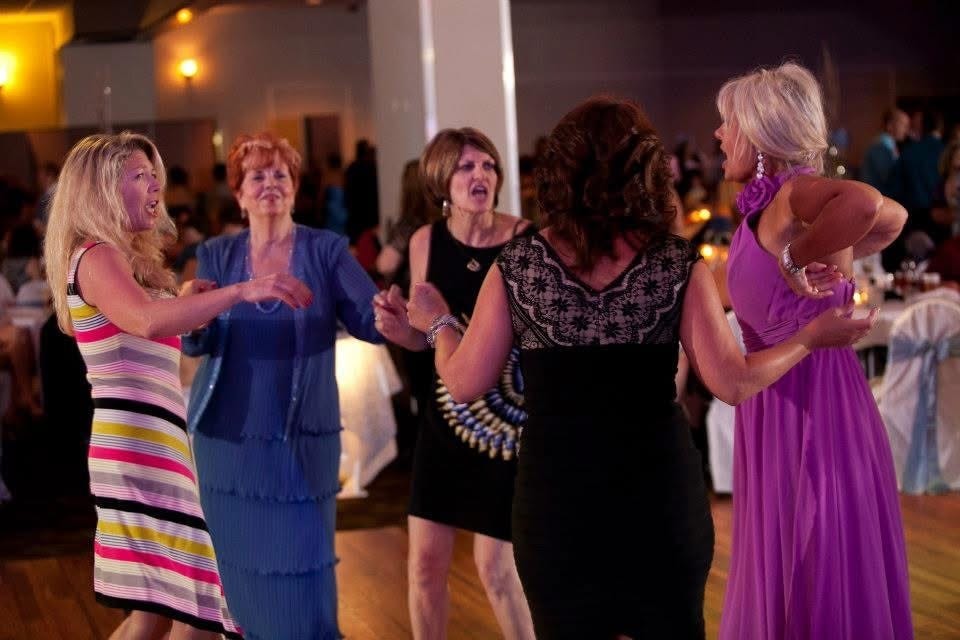
It would be wrong to ignore how strongly memory informs our adult perspectives, and what behaviors we learn to tolerate, accept, deny, or modify, as we age. Children often have the fear of turning into our parents that rarely do we ever acknowledge the softer details of where we came from. Do we owe our parents anything, even something as minute as this? It’s a deeply personal question, with no singular answer. Seeing as I don’t think I could live any differently, I figure I was always destined to be this way, to inherit the taste from my parents, who danced their way through young adulthood in two-piece suits and shoulder pads and perms, determined to not let something as fickle as embarrassment stop them from having fun at any age—a feeling (or lack thereof) I think my generation often takes for granted (womp, womp). I don’t know who I’d be without dance like I don’t know who I’d be without the influence and culture that moved my parents, my family.
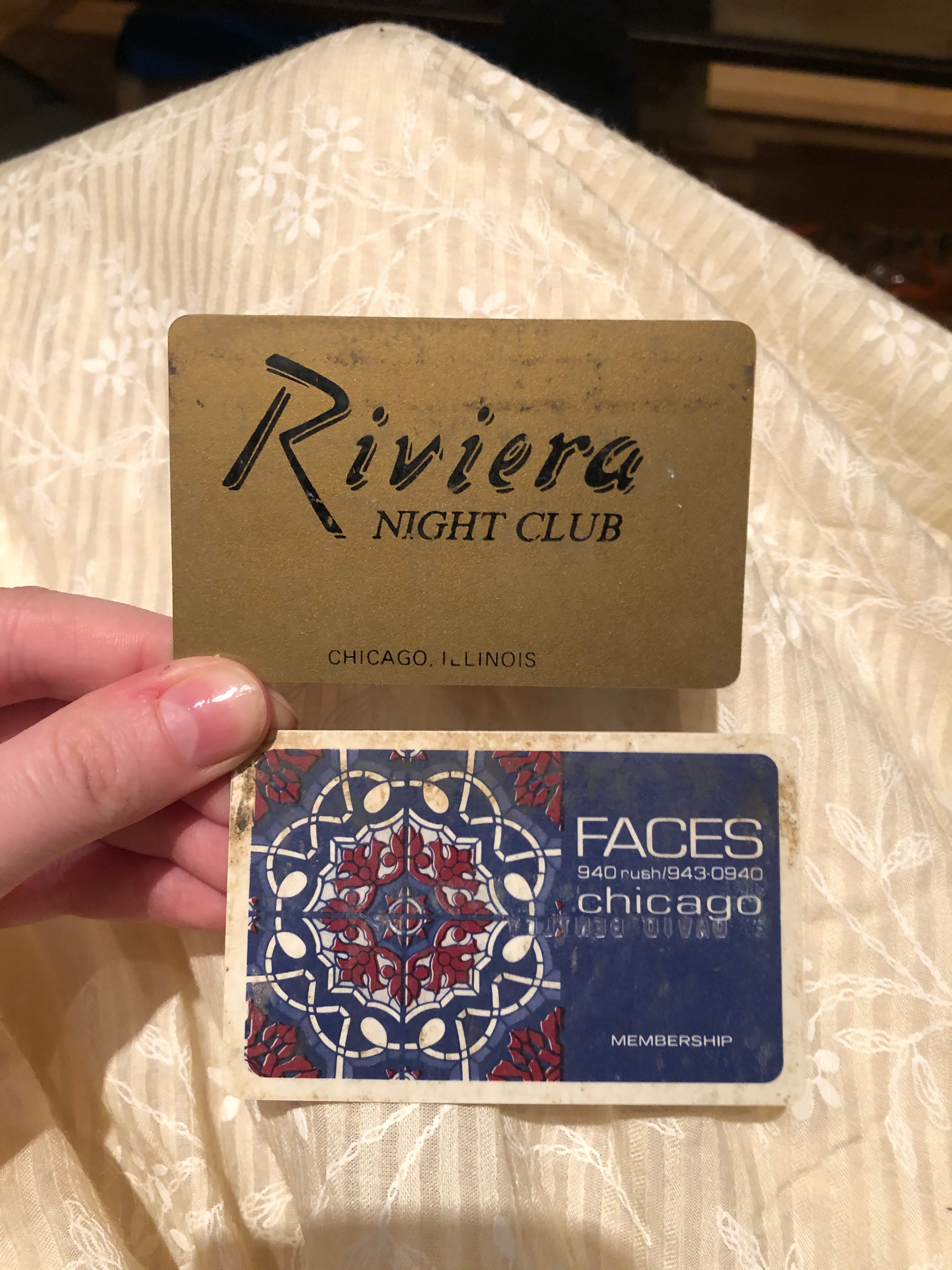
For a while I thought I hated dancing, but those words never felt quite right. I never actually hated it—my disdain was not for the action itself, but the reaction. Once an audience was revealed, or a camera came out, I cowered, I hid away. This reaction came from somewhere untouchable, seemingly unexplainable, somewhere deep inside, an unspoken declaration by my parents for their child(ren) to achieve greatness, to be loved abundantly, to receive attention even if it wasn’t necessary, or ‘deserved,’ because who’s to argue if someone, let alone a child, is or isn’t deserving of attention.
You could also call it simply what it was: a severe case of stage fright, permeating through the infinite threads of my childhood, teenagehood, my adulthood. A feeling which seeks to follow us everywhere, for every moment we feel unfamiliar in our bones. The clinical word? Anxiety, plain and simple, inexplicable, cold and medical, the silent confidence killer, showing up long before I could put words to it. The desire to dance was always in me, lying dormant, waiting for the right opportunity to spring. But as the advice often goes, there’s usually no right opportunity—it’s just between you and what lies ahead: the dance floor, the mirrored room. You can close your eyes, but you’ll always be there, looking back.
If you can’t sing well for karaoke, the solution is Fred Schneider
Claire, I love this article and that I got us vodka lemonade hahahah but also, I love that dancing is in our blood. To this day I’m dancing any chance I get and I swear it’s because our moms and family, Itll be the thing I always remember most about family get togethers